You've Got (Slow) Mail: The Hilariously Wholesome Trend of Throwing '90s Internet Sleepovers
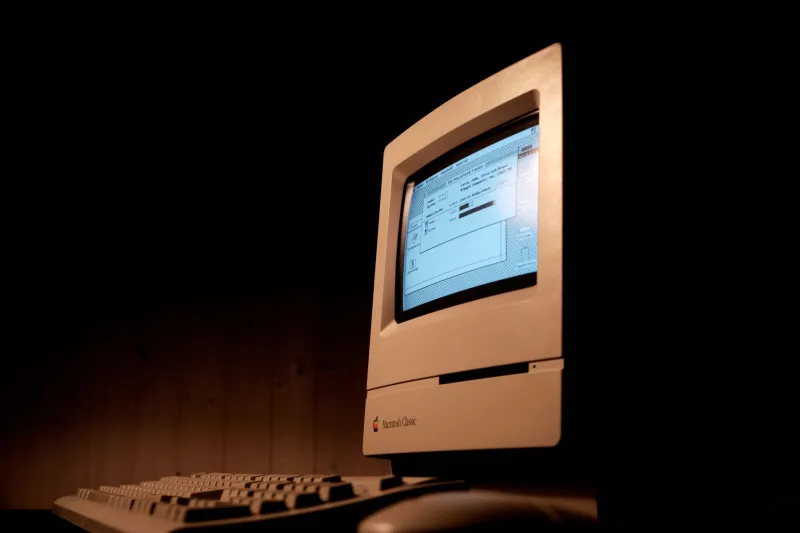
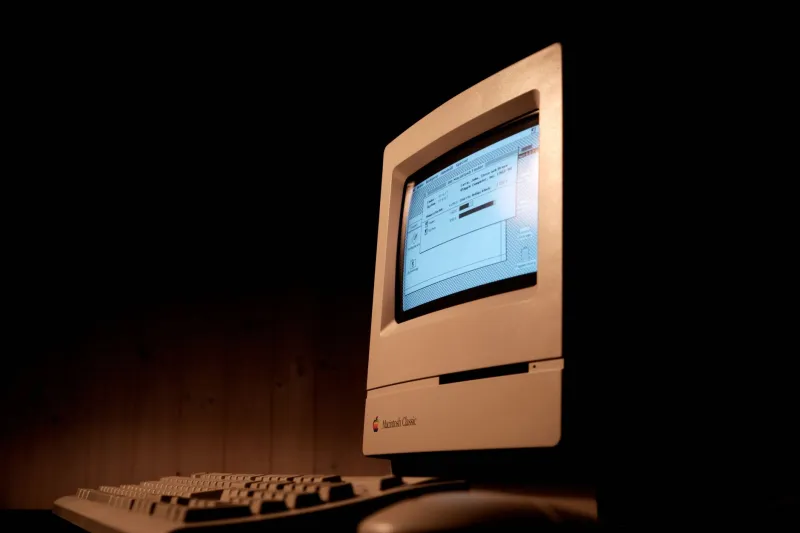
Somewhere in a Brooklyn apartment, six adults in their mid-twenties are huddled around a beige desktop tower, collectively holding their breath. The speakers crackle. A series of alien-sounding squeals and static erupts from a dusty modem. And then — connection established — the room erupts in actual, genuine cheering.
Welcome to the '90s internet sleepover. Population: more people than you'd ever expect.
The Party Nobody Knew They Needed
It started, as most beautiful chaos does, on TikTok. A few scattered videos of people booting up old Windows 98 machines and firing up dial-up simulators racked up millions of views seemingly overnight. Comment sections filled with people typing things like "I felt that screeching in my SOUL" and "Why does this make me want to cry happy tears?"
Before long, those videos inspired actual gatherings. Real, physical, in-person events where people deliberately slow everything down — not out of technical necessity, but as a kind of radical act against the always-on, lightning-fast, algorithmically optimized internet experience that currently runs their lives.
Madeline Torres, a 26-year-old graphic designer from Austin, Texas, threw her first '90s internet sleepover last spring and hasn't looked back. "I set up three old computers I found at Goodwill, downloaded a dial-up sound simulator, and printed out a bunch of old GeoCities pages I found archived online," she says. "My friends thought I'd lost it. Then they showed up and didn't want to leave."
AIM, Fire, and Pure Unfiltered Joy
The format varies from host to host, but certain elements appear at nearly every gathering like sacred relics of a simpler digital age.
AIM — or rather, faithful recreations of it via platforms like AimPhish or simple local network chat setups — is almost always on the menu. Guests pick screen names with the same manic energy they once brought to picking the perfect Neopets username. Think: XxDragonSlayer2001xX, CoolGurl4ever, or the timeless classic, skaterboy_99. The away messages alone — lovingly sourced from vintage collections of actual '90s away messages — have been known to cause full-room laughing fits.
Then there's the loading experience. Some hosts use browser extensions that artificially throttle internet speeds down to dial-up levels. Others go full analog and print out websites on paper, making guests "load" them by slowly revealing sections from behind a white sheet. It's absurd. It's theatrical. It's somehow the most fun people have had at a party in years.
"We made a game out of guessing what a website was before it fully loaded," says Derek Okafor, 29, a high school teacher from Columbus, Ohio, who attended Madeline's second event. "It took four minutes to load a picture of a cat. Four minutes. And we were riveted. What does that say about us?"
A lot, Derek. It says a lot.
The Sound of Silence (And Also Ear-Splitting Modem Screech)
Ask any attendee what the single most evocative part of the experience is and they'll answer without hesitation: the sound.
The dial-up connection noise — that legendary sequence of hisses, beeps, and what can only be described as two robots having a very heated argument — hits differently when you're an adult who knows what the internet became. It's the sound of anticipation without the anxiety. Of possibility without the pressure. Of a time when "going online" was a deliberate choice you made, not a constant state of being you couldn't escape.
"I didn't grow up with dial-up — I'm 23, I had broadband from the jump," admits Priya Nair, a marketing coordinator from Chicago. "But when that sound played, I felt something. Like nostalgia for a time I wasn't even part of. Is that weird? That feels weird."
It's not weird, Priya. It's called vicarious nostalgia, and researchers have been documenting it for years. Younger generations often develop genuine emotional attachments to eras they never personally experienced, particularly when those eras feel simpler or more intentional by comparison to their own hyper-saturated present.
Or, as one attendee in Denver put it: "Everything now is instant and I hate it. Waiting for a page to load felt like actually wanting something."
GeoCities Never Really Died (In Our Hearts)
No '90s internet sleepover is complete without a deep dive into the aesthetic hellscape that was early web design. Tiled backgrounds. Flaming text GIFs. Hit counters. "Under construction" banners that have been "under construction" since 1997. The visitor guestbook where someone named CoolDude1 left the comment "nice page!!!" on March 14th, 2001.
Hosts often print or project archived GeoCities pages — preserved in loving detail by the Internet Archive's Wayback Machine — as decorations and conversation starters. Some go further, setting up actual HTML editors so guests can build their own rudimentary pages during the party. Comic Sans is mandatory. Marquee text is encouraged. Taste is strictly prohibited.
"I made a page dedicated to my cat and used every single animated GIF I could find," says Torres. "It was the ugliest thing I've ever created and I've never been prouder of anything in my life."
Why the Clunkiness Is Kind of the Point
There's a deeper undercurrent to all of this that goes beyond irony or nostalgia for its own sake. These gatherings function, in a strange and genuinely effective way, as a form of digital detox — not by eliminating technology, but by changing its relationship to time.
When everything moves slowly and requires patience, the experience of being online becomes finite. You log on. You do a thing. You wait. You do another thing. You log off. There's a beginning, a middle, and an end. Compare that to the modern experience of doomscrolling at 1 a.m. with no clear sense of when you started or when you'll stop, and suddenly that screeching modem sounds less like a relic and more like a lifeline.
"Nobody was on their phones," marvels Okafor. "We were all doing the same thing together, in the same room, at the same pace. When does that ever happen anymore?"
Almost never. Which is precisely why, every few weekends, a growing number of Americans are choosing to unplug from the fast internet by plugging into the slow one.
Your Invitation to the Best Worst Party Online (Offline?)
If you're feeling the pull — and let's be honest, that dial-up screech just started playing in your head, didn't it? — throwing your own '90s internet sleepover is easier than you think. Hit up your local thrift stores for vintage hardware. Raid the Wayback Machine for aesthetic inspiration. Download a dial-up sound simulator, queue up an *N SYNC playlist on a boombox (not a speaker — a boombox), and tell your guests to bring their most unhinged AIM screen name energy.
The internet isn't going anywhere. But for one glorious night, you can make it act like it has absolutely nowhere to be.
You've got mail. It'll be there in about six minutes.